1 Liddell St, North Shields, NE30 1HE
Australia’s commercial abalone fishery is one of the country’s most valuable and tightly regulated marine industries. Operating along the south-west coast, commercial divers work in demanding conditions where safety, accurate effort recording, and regulatory compliance are all critical. Succorfish deployed GIGO beacon technology integrated with the SC2 Vessel Monitoring System and the wider Remote Electronic Monitoring (REM) platform to address these challenges head-on. The result is a practical, scalable solution that enhances diver safety, improves operational visibility, and supports modern fisheries management.
The project highlights the growing role of REM and intelligent monitoring technologies in delivering safer, more efficient, and more sustainable fisheries operations. And demonstrates how high-quality data can support the future sustainable management of valuable marine resources.
The commercial abalone fishery is one of Australia’s most valuable and highly regulated fisheries, requiring robust safety procedures, accurate effort reporting, and effective fisheries management.
Abalone is harvested by hand by commercial divers working from small vessels, with strict quotas, licensing conditions, and effort reporting requirements enforced by state fisheries authorities including PIRSA (Primary Industries and Regions South Australia) and the VFA (Victorian Fisheries Authority). Commercial divers routinely work in demanding marine environments.
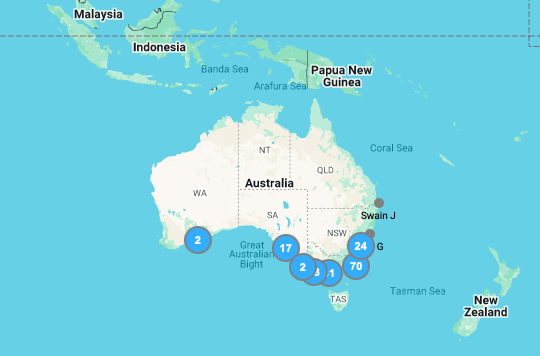
Kangaroo Island and the Port Fairy grounds are among the most productive and closely monitored abalone fishing areas in the country. The high commercial value of abalone, combined with the physical risks associated with commercial diving, means that operational oversight and safety management are ongoing priorities for vessel operators, licence holders, and regulators alike.
Commercial abalone diving is recognised as one of the most physically demanding sectors within the fishing industry. Divers may spend extended periods entering and exiting the water throughout a fishing trip, often operating in remote locations, variable sea conditions, and challenging underwater environments.
For both vessel operators and fisheries authorities, maintaining accurate records of diver activity is essential for:
Traditionally, much of this information has relied upon manual recording processes, creating additional administrative burden and limiting access to real-time operational data.
Industry stakeholders identified a clear requirement for a digital solution capable of automatically recording diver activity without interfering with normal fishing operations.
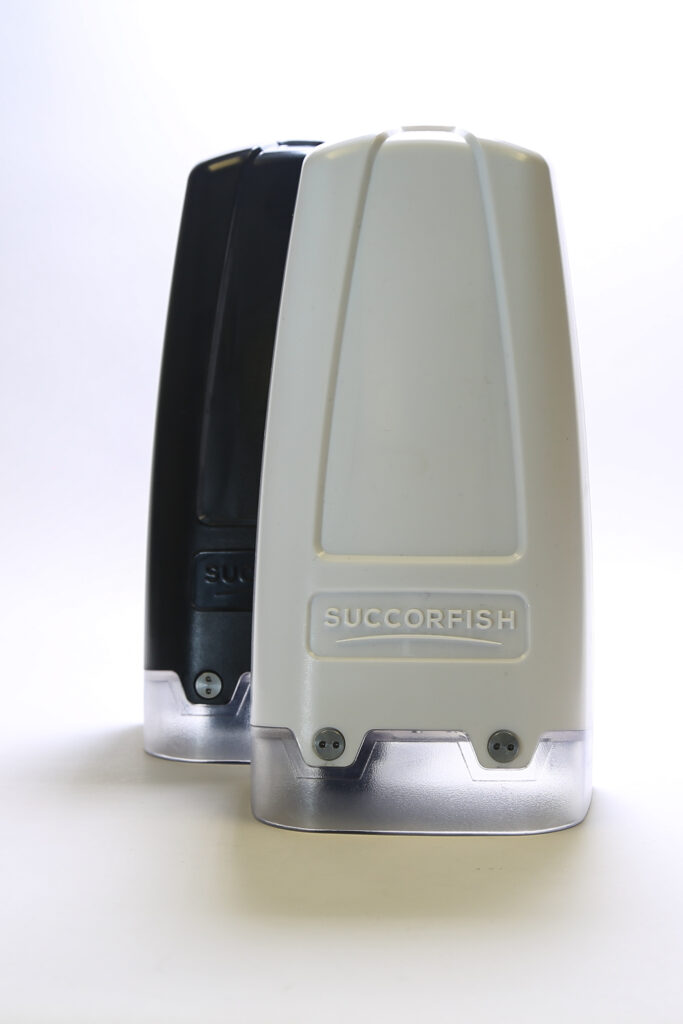
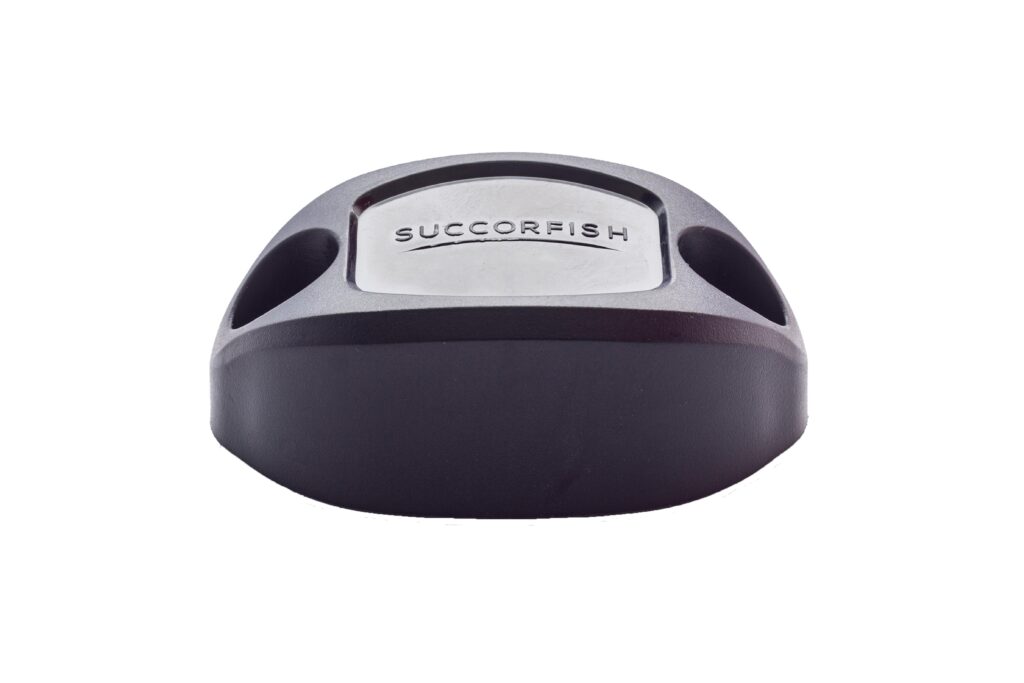
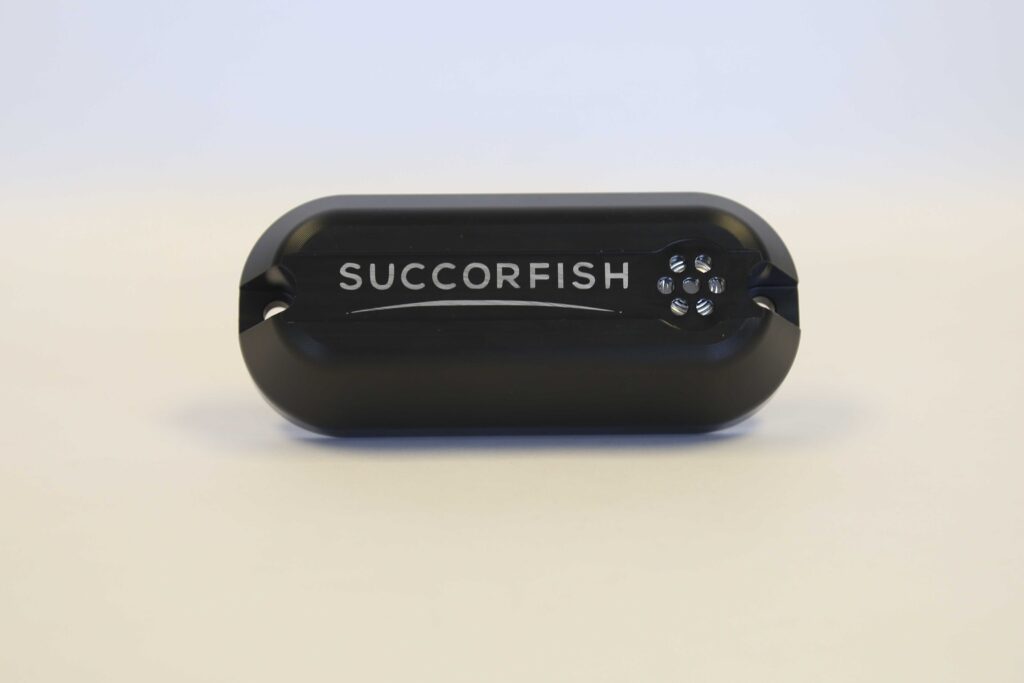
Drawing upon decades of experience supporting fisheries around the world, combined with the expertise of dedicated software development teams and marine technology specialists, Succorfish developed a purpose-built solution utilising GIGO fishing gear tracking tag integrated with the SC2 Vessel Monitoring System (VMS).
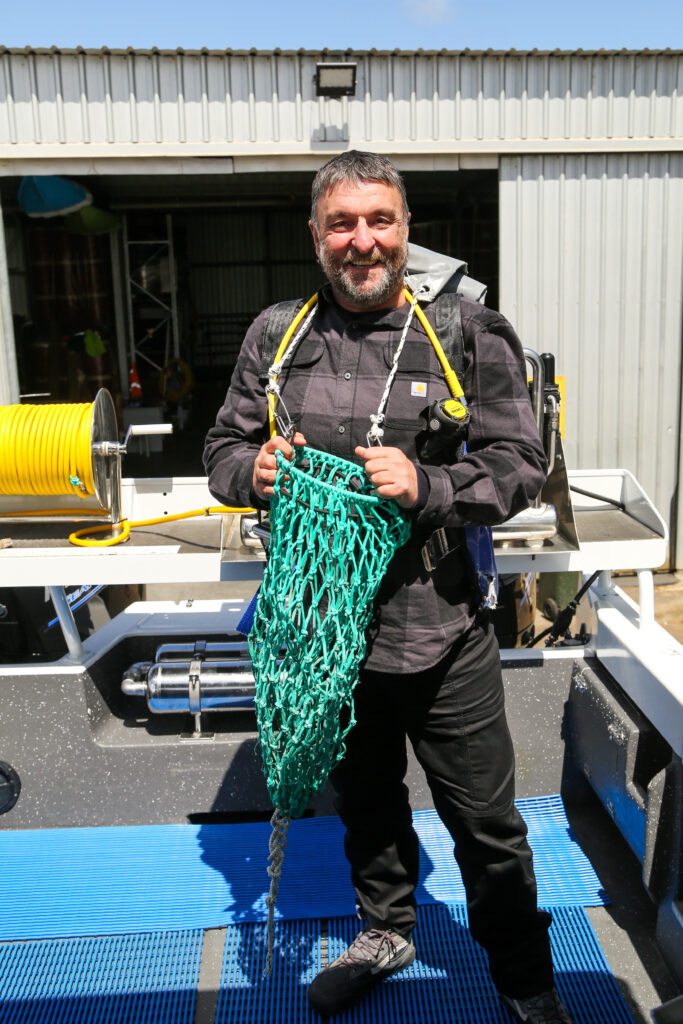
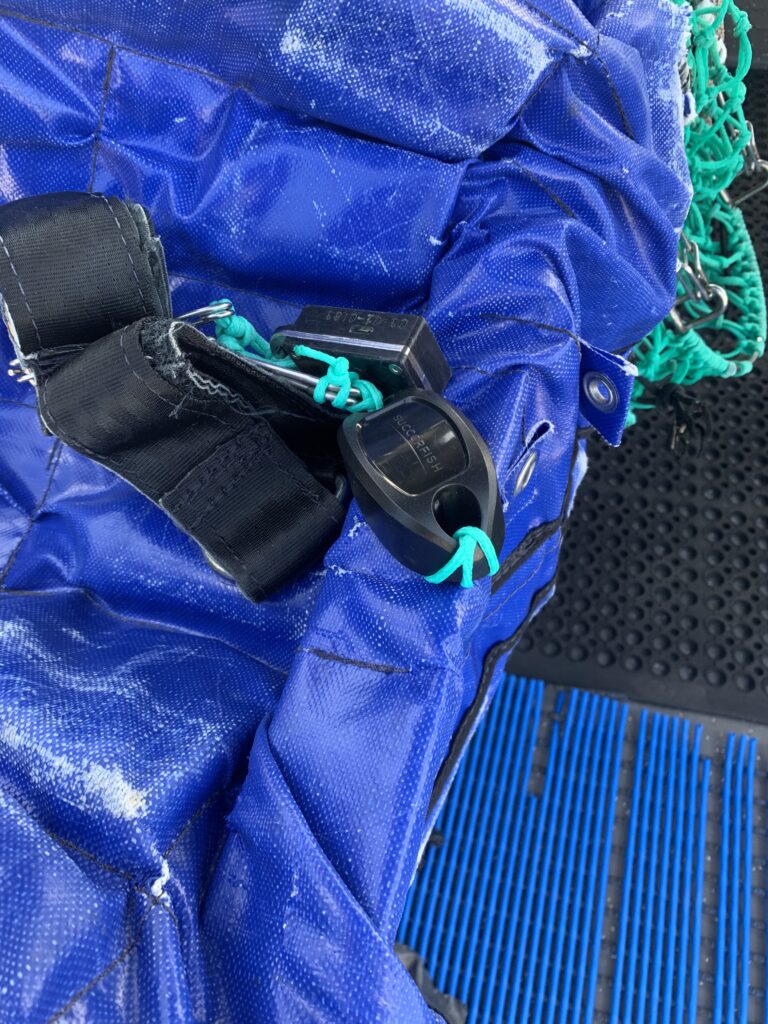
The GIGO beacon is securely attached to the diver’s catch cage or weight vest, providing a simple, robust, and unobtrusive method of monitoring diver activity throughout fishing operations. As divers enter and exit the water, the system automatically records activity and measures dive duration, giving vessel operators improved visibility of diving operations without disrupting normal working practices.
The beacon communicates directly with the vessel-mounted SC2 Vessel Monitoring System, which acts as the communications gateway. To ensure reliable connectivity anywhere on the globe the SC2 system transmits data using GSM cellular networks when coverage is available and automatically switches to Iridium satellite communications when operating beyond cellular range. This ensures reliable connectivity across remote coastal and offshore fishing grounds throughout southern Australia.
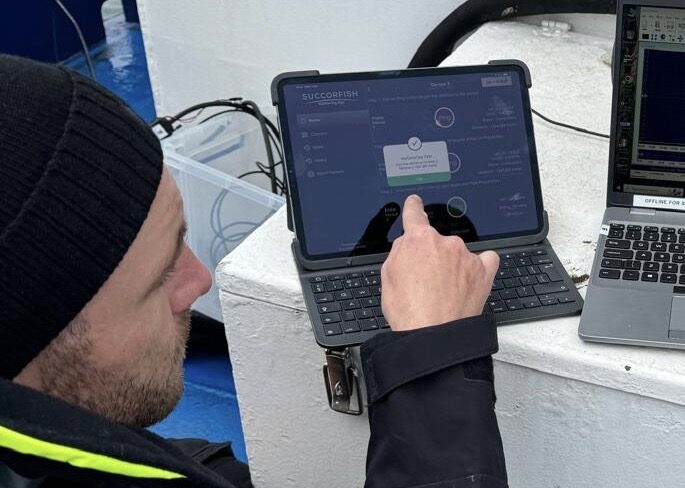
Information is securely delivered to the Succorfish cloud platform and made available through:
This provides vessel operators, fisheries managers, licence holders, and authorised fisheries authorities with secure access to both real-time and historical operational data from virtually anywhere.
The result is a scalable Remote Electronic Monitoring (REM) solution that enhances diver safety while providing valuable operational and fisheries management intelligence.
Through ongoing engagement with commercial abalone fishers, fisheries authorities, and industry stakeholders, Succorfish developed a reliable solution capable of monitoring diver activity.
Succorfish worked closely with stakeholders throughout the deployment process, ensuring the solution was practical, unobtrusive, and compatible with normal fishing operations.
As part of the wider Succorfish Remote Electronic Monitoring (REM) ecosystem, diver activity data can be integrated with a range of operational and fisheries datasets, including:
The integration of these datasets provides a comprehensive digital record of fishing operations while reducing the administrative burden associated with manual reporting processes.
The primary objective of the deployment is to support diver safety. By automatically recording diver activity and dive duration, vessel operators gain greater situational awareness throughout fishing operations.
In remote and often challenging marine environments, access to reliable operational information provides an additional layer of support for safe working practices.
Accurate effort reporting is fundamental to the effective management of Australia’s abalone fisheries.
By automatically recording diving activity, GIGO provides an objective digital record capable of supporting:
The system improves transparency while reducing the burden associated with manual data collection and record keeping.
For fisheries authorities and licence holders alike, access to accurate operational data supports better management outcomes and improved confidence in reporting processes.
Beyond the immediate operational benefits, the deployment demonstrates the potential for intelligent monitoring technologies to raise safety and compliance standards across commercial diving fisheries more broadly. As operational and fisheries datasets accumulate over multiple seasons, opportunities emerge for further analysis and performance improvement, including:
The combination of GIGO diver monitoring, SC2 vessel monitoring, cloud-based analytics, and REM technologies creates a foundation for the continued digitalisation of commercial diving fisheries. Delivering safer, more efficient, and more sustainable operations while providing the high-quality data required to support the future management of valuable marine resources.
Any commercial diving fishery — abalone, sea urchin, scallop, or similar — where diver safety, effort recording, and regulatory compliance are operational priorities would benefit from a similar deployment. The solution is equally applicable to fisheries moving towards electronic logbooks and fully documented fisheries frameworks, or where authorities require verifiable, auditable records of fishing effort. By combining GIGO diver monitoring, SC2 vessel monitoring, satellite and cellular communications, REM integration, and advanced data analytics, Succorfish provides fisheries with the tools needed to improve safety, reduce administrative burden, and make more informed decisions on the water.
Succorfish engineers industry leading subsea communication and monitoring technology, and the software to deploy a full solution that connects all your assets underwater with everything above.
Our team are here to help