1 Liddell St, North Shields, NE30 1HE
FISHERIES > REM
Remote Electronic Monitoring (REM): Building the Future of Sustainable Fishing
Across the world, fisheries are facing increasing pressure to balance sustainability, productivity and responsible resource management. Governments, regulators, scientists and fishing operators all share a common goal — ensuring fish stocks remain healthy while supporting the communities and industries that depend upon them.
To achieve this, fisheries are increasingly moving towards Fully Documented Fisheries (FDF).
At the heart of this transition is Remote Electronic Monitoring (REM).
At Succorfish, we are helping fisheries organisations build a full documented future through connected REM technologies designed specifically for life at sea.

What is Remote Electronic Monitoring (REM)?
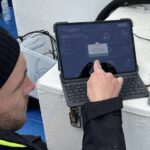
Remote Electronic Monitoring is a data collection system installed on fishing vessels to record where they fish, when they fish, and what they catch.
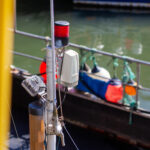
REM uses a combination of vessel monitoring systems, communications networks, sensors, cameras and software platforms to collect and transmit information from vessels operating at sea.
The objective is simple: To create accurate, reliable and verifiable information that improves visibility, supports sustainability and reduces uncertainty – all without requiring an observer to be physically on board the vessel.
What are Fully Documented Fisheries?
Fully Documented Fisheries (FDF) are fisheries where activity at sea can be accurately recorded, monitored and understood through reliable data collection and reporting.
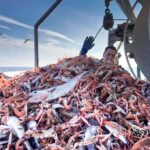
Traditionally, fisheries management has relied heavily on paper logbooks, inspections and onboard observer programmes. While these approaches continue to play an important role, they can be expensive, difficult to scale and often provide only a partial picture of activity. REM coverage across the UK fleet has historically been below 1% of trips — meaning the overwhelming majority of fishing activity goes unwitnessed.
Fully Documented Fisheries aim to bridge that gap by collecting data directly from vessels and combining operational activity with environmental information and digital reporting systems. Giving fisheries managers a complete understanding of what is happening on the water.

Fisheries: The Regulatory Landscape
Scotland — REM is mandatory for scallop dredge vessels (June 2024) and pelagic fishing vessels of 12 metres and over with RSW or CSW storage (March 2026), under requirements set by the Scottish Government.
England — Defra is implementing a phased REM rollout across five priority fisheries, beginning with an early adopter programme in the large pelagic trawl sector.
European Union — Article 13 of EU Control Regulation (EU) 2023/2842 includes provision for REM as a tool for Member States’ fisheries control.
Internationally — REM programmes are active or in development across New Zealand, Canada, the United States, Australia and across Pacific Island fisheries.
How Succorfish Supports REM Programmes
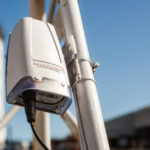
Succorfish provides the infrastructure layer that makes REM programmes function: the connectivity, sensing and data platform that makes the data trustworthy and actionable.
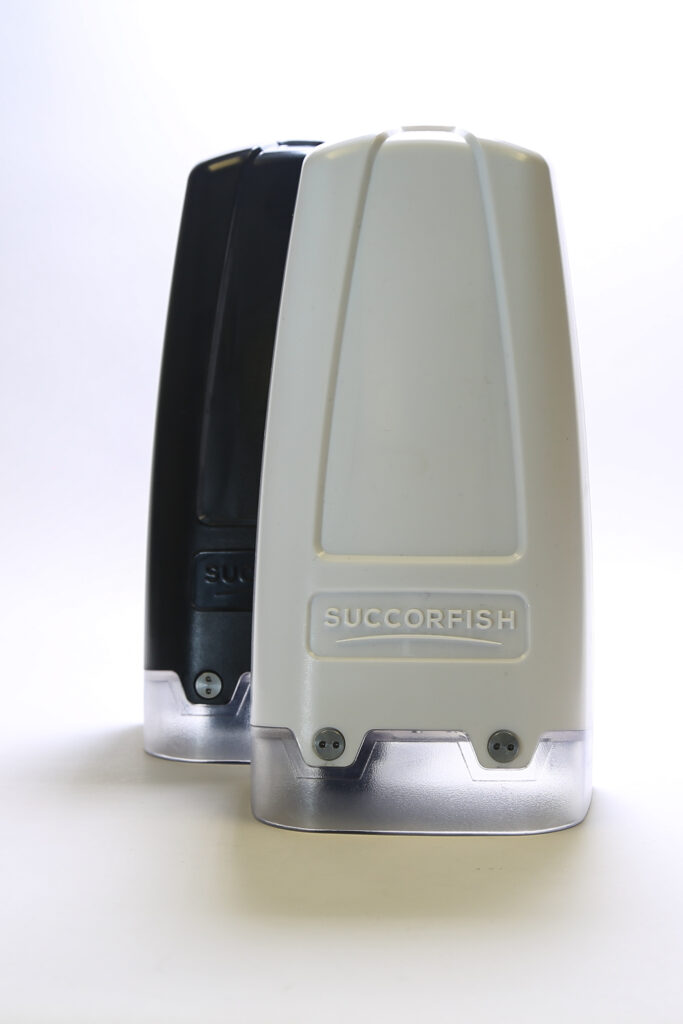
Vessel Monitoring and Connectivity
By combining GSM communications with global Iridium satellite connectivity, the Succorfish SC2 edge gateway platform ensures vessels remain connected wherever they operate. When terrestrial coverage drops away, Iridium satellite communications automatically take over, ensuring position and activity data continues to reach shore without interruption. This unbroken data record is a fundamental requirement of any approved REM programme.
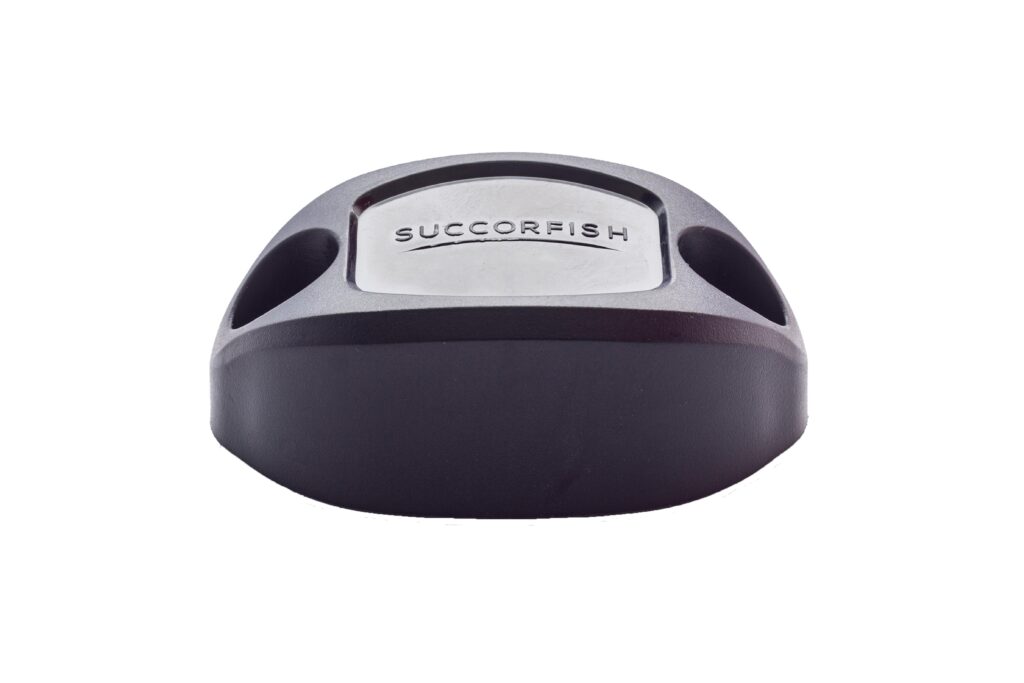
Gear Activity Monitoring
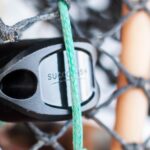
Knowing where a vessel is tells only part of the story. REM programmes also require evidence of when gear entered the water and when it was retrieved. The Succorfish GiGO beacon attaches directly to fishing gear and automatically records deployment and retrieval events via low-power Bluetooth, logging the precise time and GPS position of each activity without any manual input from the crew.
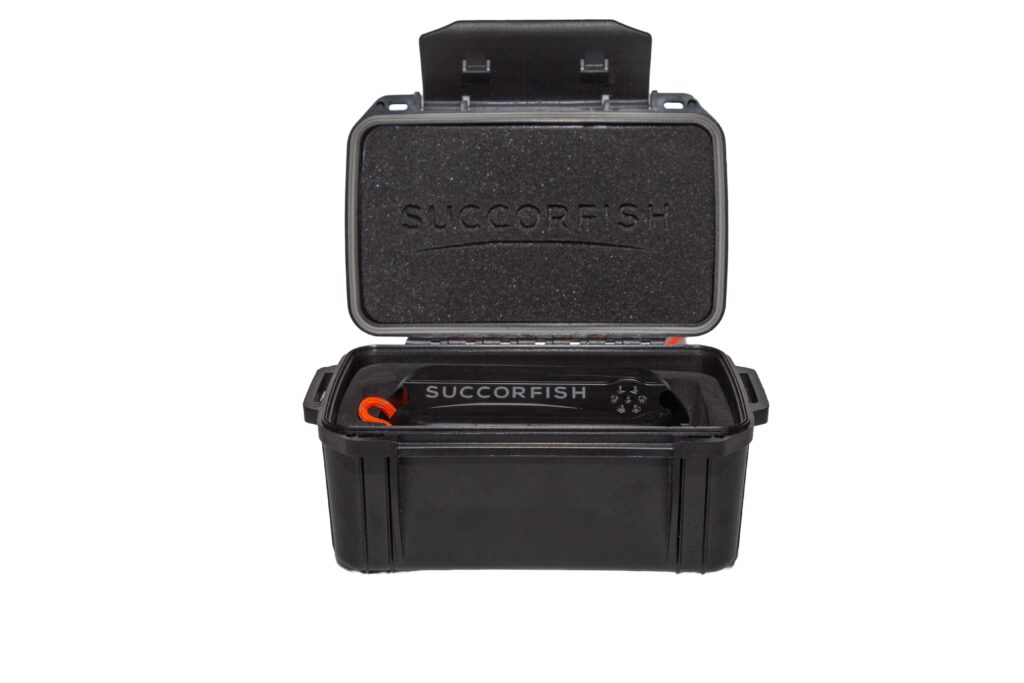
Lampris Depth & Temperature Sensor
Succorfish's rechargeable Lampris depth and temperature sensor reliably captures valuable environmental context depth and temperature data alongside activity records, building a richer picture of the marine environment.
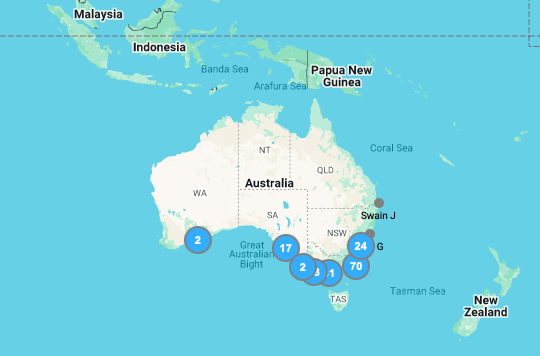
Fisheries Data Platform
Track all your vessel activity, gear events, sensor data and positional records via your own purpose-built Succorfish software and data platforms. Developed entirely in-house by our team, flexible to your requirements and the rapidly evolving industry of fisheries.
Transforming Data into Insight
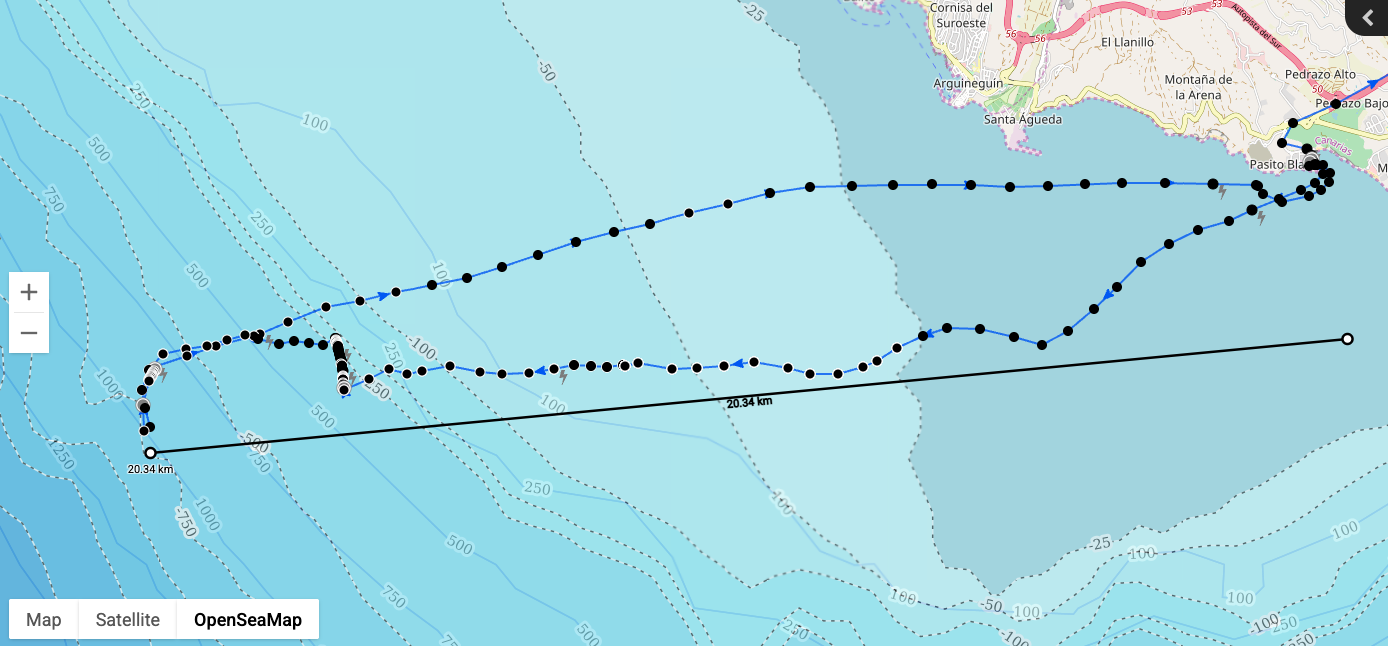
Collecting information is only the first step. The real value of REM lies in making that information useful via a Fisheries Data Platform.
At Succorfish, every layer of our technology ecosystem, from hardware to software to interface, have been designed to work together seamlessly.
Our intuitive Fisheries Data Platforms built with mobile and desktop applications are designed and developed entirely by our dedicated in-house development teams. We create software specifically tailored to the operational realities of fisheries and maritime environments.
This allows vessel operators, fleet managers, fisheries organisations and regulators to access vessel activity, monitoring information and sensor data through a single connected environment.
Our dedicated development teams continuously improve functionality, introduce new capabilities and respond rapidly to customer requirements.
Innovation never stands still.
Neither do we.
REM Case Studies
Vessel Monitoring Solution for Nordic Fleet
Fishing Gear Tracking at Work in Lobster Fisheries in Canada
Industry-Led Innovation Supporting Commercial Abalone Fisheries
Built for Reliability
Technology should work when it is needed most.
The Future of Remote Electronic Monitoring
The future of Remote Electronic Monitoring is not simply about collecting more data.
It is about understanding more from the data we already have.
At Succorfish, we are actively developing the next generation of fisheries technology through the combination of our Catch App, advanced analytical models and emerging edge-computing capabilities.
Our vision is ambitious but clear.
By combining catch reporting, imagery, vessel activity and environmental data, we aim to create systems capable of automatically identifying fish species, estimating size and supporting the collection of biological information at a scale that has never previously been possible.
When combined with environmental information captured through our Depth & Temperature sensing technology, we can begin to build a much clearer picture of how species interact with their environment and how changing conditions influence fishing activity.
For fisheries managers and scientists, this could provide access to richer and more detailed datasets. For vessel operators, it could reduce administrative burden while improving the quality and consistency of reporting. For the industry as a whole, it represents an opportunity to build a more complete understanding of what is happening beneath the surface.
Remote Electronic Monitoring is evolving beyond simply recording activity.
It is beginning to help explain it.
And we believe this represents one of the most exciting developments in fisheries technology today.
Watch this space.
Supporting the Future of Fisheries
The next frontier for REM goes beyond compliance. The next frontier for REM goes beyond compliance. At Succorfish, we are proud to be helping build that future by delivering the infrastructure for the next generation of Remote Electronic Monitoring.
We are not simply collecting data at sea.
We are helping the industry understand it.
Because effective REM is about more than technology.
It is about collecting reliable data, supporting better decisions, protecting marine resources and helping build a more sustainable future for fisheries worldwide.
Succorfish — Always Making Waves.
Ready to Build Your REM Programme?
Whether you are preparing for a regulatory deadline, responding to a tender requirement, or designing a new Fully Documented Fisheries programme from the ground up, Succorfish can help you build the technology infrastructure your programme needs.
Download our Apps on the Google Play and App Store

