Lobster Fisheries in Canada

How GIGO Is Supporting Fishermen Around Miscou Island to Recover Gear and Reduce Loss

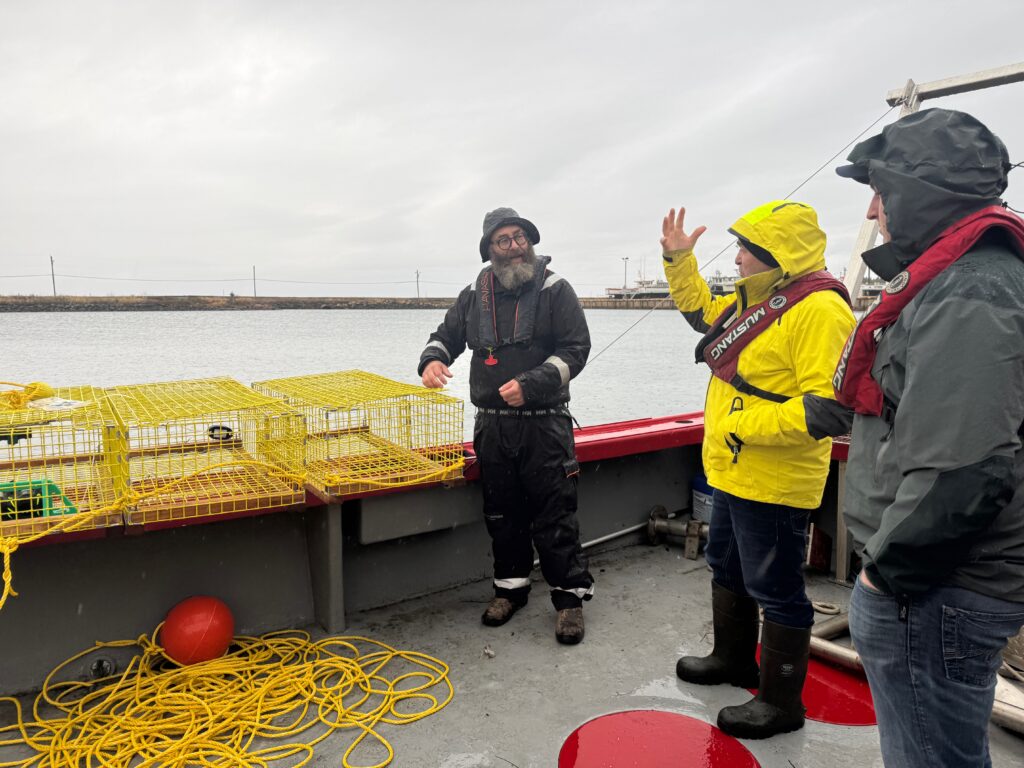
Lobster Fishermen in Canada on Boat with Lobster Pots and tracking device

Lobster fishermen operating around Miscou Island, New Brunswick, and the neighbouring Nova Scotia fishing grounds face a recurring operational challenge: locating deployed pot strings in adverse conditions. Elevated sea states, strong currents, and poor visibility routinely increase search times, drive up fuel costs, and put valuable gear at risk of permanent loss. Succorfish deployed GIGO — a dedicated gear tracking and monitoring solution — integrated with the SC2 Vessel Monitoring System and the wider Succorfish Remote Electronic Monitoring (REM) platform. The result was near real-time visibility of deployed fishing assets throughout the season, reducing gear recovery times and supporting more efficient, sustainable operations on the water.

The Fishery

The lobster fishery around Miscou Island, New Brunswick, operates within one of Canada’s most productive but operationally demanding coastal environments. Fishermen work the cold, tidal waters of the southern Gulf of St. Lawrence and into neighbouring Nova Scotia grounds, targeting the American lobster, under the licensing framework administered by Fisheries and Oceans Canada (DFO).

Canada is the world’s largest producer of American lobster, accounting for approximately 50% of global landings and with over 8500 active commercial fishing licences for lobster fisheries. This makes the responsible management of lobster fisheries like this one a matter of both economic and environmental significance. The southern Gulf of St. Lawrence falls within a network of approximately 40 inshore Lobster Fishing Areas (LFAs), with licence holders operating small inshore vessels, typically 9–15 metres long, purpose-built for hauling traps along the Atlantic coast. 

Lobster fishing in this region is managed under strict licence conditions, including seasonal openings, minimum size restrictions, protection of egg-bearing females, and trap limits. Trap limits typically range from 150 to 400 traps per licence depending on the LFA.  Most inshore lobster fisheries use 5–15 traps per string, however fisheries in offshore LFA 41 deploy strings of up to 100 traps in length to reduce the number of surface buoy lines.

Seasonal closures are designed to protect breeding stocks, and fishermen must be able to account for all deployed gear, both for operational efficiency and to meet their obligations under DFO regulations. Lost trap strings pose an entanglement risk, can damage the seabed, and represent a significant financial cost in replacing lost equipment.

The Challenge: Locating Delpoyed Pot Strings

Locating deployed lobster pot strings in the southern Gulf of St. Lawrence is rarely straightforward. Adverse weather, elevated sea states, strong tidal currents, and poor visibility can make it extremely difficult and time-consuming to locate pot buoys and recover gear on schedule. 

When a fisher loses gear, finding it can involve searching an area of several square kilometres, running sonar or grappling operations to try and locate the traps and multiple trips if weather interrupts recovery.

When search times increase, so do fuel consumption and crew hours. A typical Atlantic lobster boat may burn 20–50 litres of diesel per hour while searching and manoeuvring at low speed. If recovering a lost string takes 2–6 hours of search effort, that’s roughly 40–300 litres of fuel and CAD $60–$450 per event. Losing a 10-trap string that is rigged and baited can represent $1,000–$2,000 of gear. A 100-trap offshore string could easily extend 1–2 km along the seabed and represents tens of thousands in equipment costs. Recovering the gear is often worth more than the fuel saved. 

For a fishery operating on tight margins, the cumulative cost of extended gear searches across a season is significant. More seriously, gear that cannot be located within a reasonable window risks being permanently lost.

Abandoned, Lost, or otherwise Discarded Fishing Gear (ADLFG) or (“ghost gear”) has been a long-standing issue across Atlantic Canada. DFO-led retrieval programs have recovered thousands of traps and kilometres of rope annually, and lobster traps alone accounting for up to 68% of total retrieved weight in some instances.

Fishermen had relied on traditional methods — visual buoy spotting, local knowledge of current patterns, and rough GPS coordinates logged at deployment — but these offered limited reliability in poor conditions. There was no real-time visibility of where gear actually sat at any given moment, and no way to monitor movement or detect when a string had shifted from its deployment position. 

At Succorfish, we have been developing our revolutionary underwater acoustic location device, MyGearTag, which allows the precise location of fishing gear to be plotted.

Knowing the pinpoint the location of post strings to within a few metres using GPS-equipped buoys, acoustic beacons, and last-known gear position data, search time might drop from several hours to perhaps 15–30 minutes. And even more importantly, the frequency of ghost gear being lost would be dramatically reduced .
The Solution: Purpose-Built Gear Tracking

Succorfish deployed GIGO, their fishing gear tracking and monitoring system developed specifically for commercial fisheries. Built working together with fishermen, fisheries organisations, and regulators across global fisheries to create a highly reliable and accurate tracking device for fishing equipment. Drawing on decades of industry experience, GIGO was designed from the ground up to address the practical realities of static gear management.

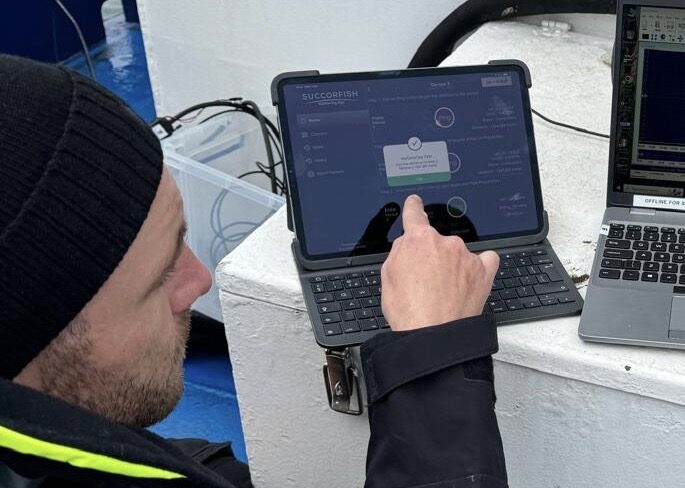
GIGO provides near real-time location data for deployed lobster pot strings throughout the fishing season. Data is transmitted via the Succorfish SC2 Vessel Monitoring System device using either GSM or Iridium satellite communications, ensuring reliable connectivity in both coastal and offshore environments. Information is then securely delivered to the Succorfish cloud platform, where it can be accessed through:

  • Succorfish’s web-based graphical user interface (GUI)
  • iOS mobile applications
  • Android mobile applications

This allows fishermen, fleet operators, fisheries managers, and regulators to view asset locations and operational information from virtually anywhere.

As part of the wider Succorfish REM ecosystem, GIGO can be integrated with environmental and fisheries datasets including:

  • Vessel location and activity data
  • Water temperature measurements
  • Depth-related environmental information
  • Catch and effort reporting
  • Historical gear deployment records

By combining gear location data with environmental conditions, the platform can generate:

  • Historical deployment maps
  • Environmental heat maps
    Catch-effort reports
  • Spatial fishing activity analysis
  • Long-term fisheries trend information

This helps fishermen better understand the relationship between environmental conditions and catch success, optimise future fishing operations, and reduce unnecessary fuel consumption.

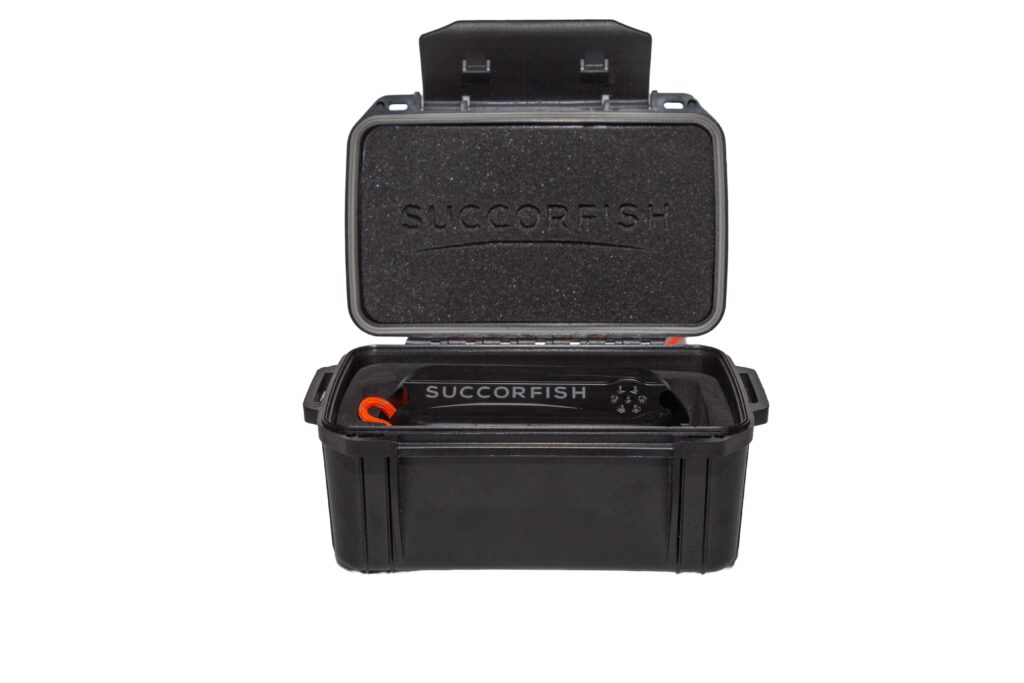
Succorfish Products Deployed:

Implementation of REM

Succorfish worked directly with fishermen and fleet operators throughout the deployment process. Installation of the SC2 and GIGO units was completed prior to the season, with crews trained on the web and mobile interfaces before heading out. The dual GSM and Iridium communication capability ensured reliable connectivity across the full range of the fishing grounds, including the more remote areas of the Nova Scotia grounds where cellular coverage cannot be guaranteed.

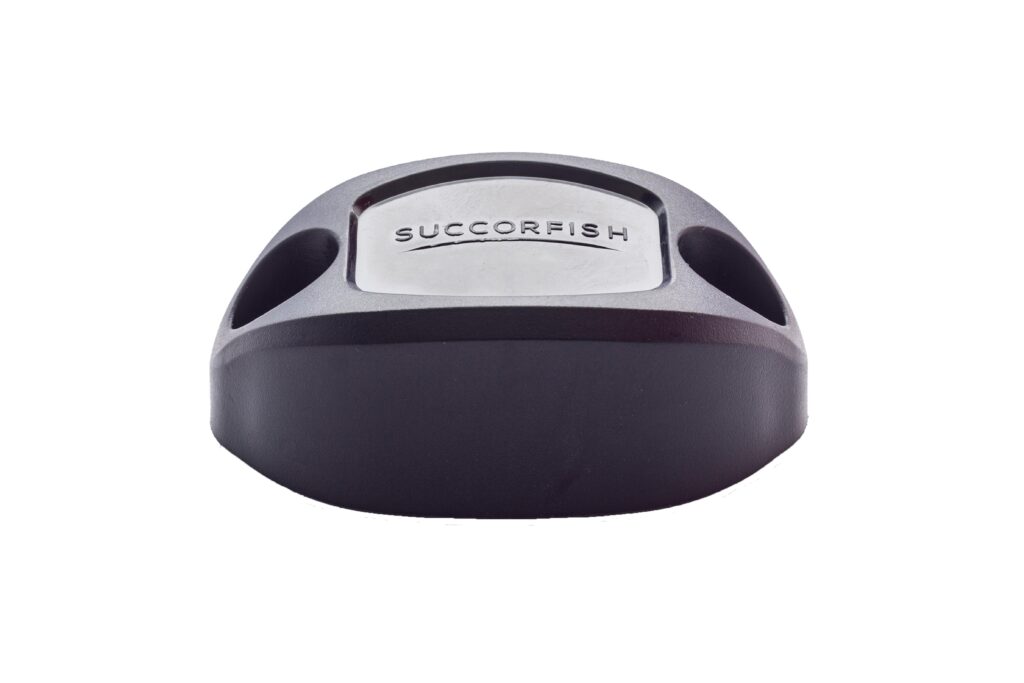
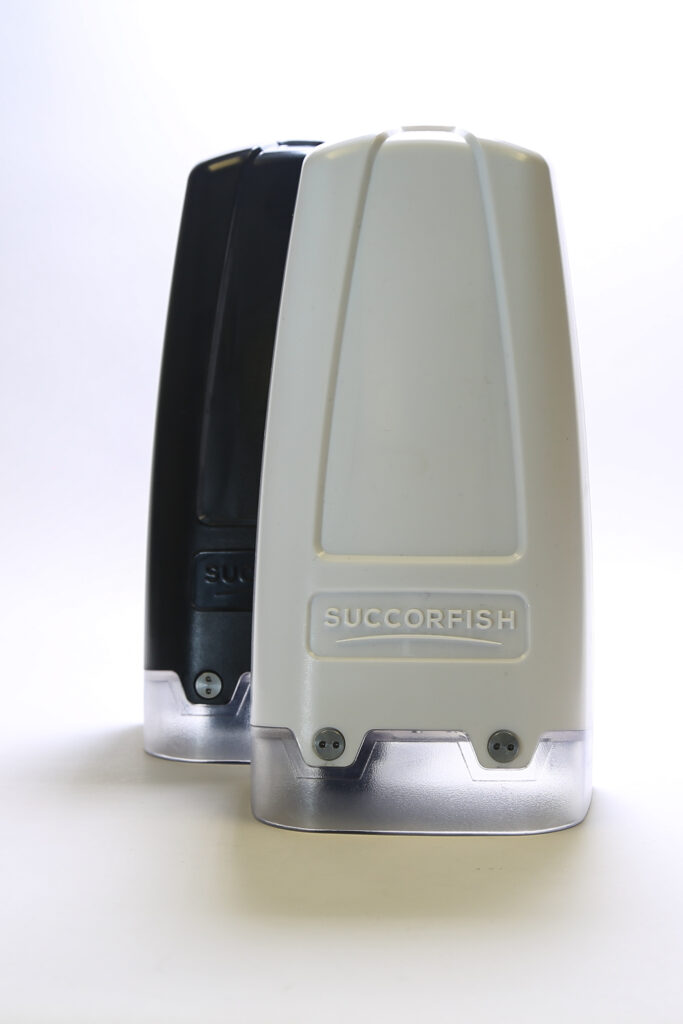
A Succorfish GIGO fishing gear tracking device

Results After REM Implementation

Fishermen gained continuous, season-long visibility of all deployed pot strings, reducing the time and fuel spent locating gear during adverse conditions. The ability to check gear positions remotely allows crews to plan recovery runs more efficiently and avoid unnecessary trips in poor weather. Where gear had shifted from its deployment position due to current or weather, GIGO’s real-time tracking allowed fishermen to locate it quickly, directly reducing the risk of permanent gear loss and associated replacement costs. Further development includes the imminent release of a mobile app, putting full visibility of all tracked fishing equipment directly in the hands of lobster fishermen.

Integrated Technology Ecosystem
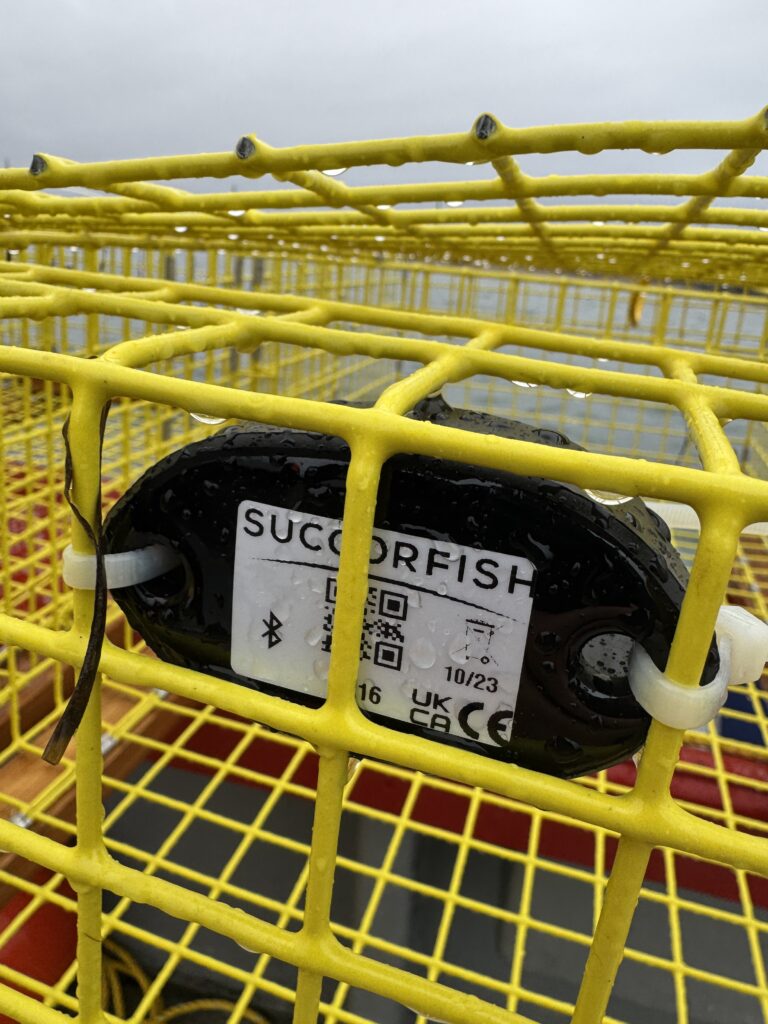
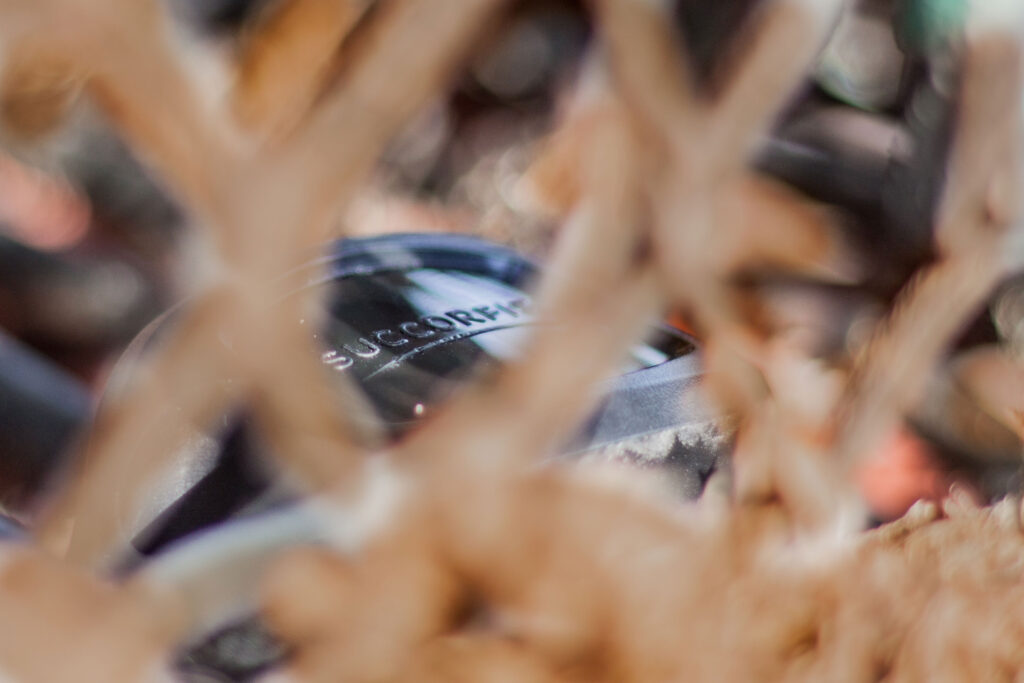
GIGO in lobster pot

Wider Impact

Abandoned, lost, or otherwise discarded fishing gear — known as ghost gear, or ALDFG — is recognised as one of the most significant environmental challenges facing the global fishing industry. 640,000 tonnes of abandoned, lost or discarded fishing gear enter the ocean every year which can continue to capture marine species long after deployment, contributing to ecosystem damage, marine debris, and economic losses for fishermen. By providing continuous visibility of deployed fishing assets, GIGO helps fishermen locate and recover gear that may otherwise be lost, reducing the likelihood of ghost gear entering the marine environment. This not only protects valuable fishing equipment but supports wider sustainability objectives and responsible fisheries management.

Who Else Would Benefit?

Any commercial fishery relying on static gear — lobster, crab, whelk, or similar pot and trap-based operations — in areas where adverse weather, strong currents, or poor visibility make gear recovery a challenge would benefit from a similar deployment. GIGO is equally suited to fisheries operating under strict gear accountability requirements, or where reducing ghost gear is a regulatory or sustainability priority. By combining GIGO asset tracking, SC2 vessel monitoring, REM integration and advanced data analytics, Succorfish provides fisheries with the tools needed to improve efficiency, reduce environmental impact, and make more informed decisions on the water.

SUCCORFISH

SEABED TO SPACE
CONNECTED

Succorfish engineers industry leading subsea communication and monitoring technology, and the software to deploy a full solution that connects all your assets underwater with everything above.

Contact Us

Download our Apps on the Google Play and App Store

Succorfish App Store Succorfish Google Play