
There’s no doubt that the world we live in has changed significantly over past few months. While some of these changes may be temporary, others will most certainly continue long into the future. The fishing industry has not been immune to these shifts in working practices – if anything, our industry has felt the changes more acutely than most.
Alas, for fishing the challenge is less about social distancing and more about the economics. COVID-19 may have brought some of these issues to a head but many of the problems that now face the industry can be traced back long before Coronavirus.
For the fishing industry the economic crisis has surfaced in the market place. The reality in the UK is that we export most of what we catch and import most of what we eat. In March, the secure markets developed over decades simply closed down to a greater or lesser degree and the industry was left with one very narrow and sometimes treacherous channel – retailers.
From a young age fishing with my father I learned how resourceful fishermen can be. He used to say, “If you break down, you can’t call the AA.” You had to fix the problem yourself and Heath Robinson must have been a fisherman! Ingenuity is inbuilt in fishermen and it makes us more resilient and able to get back up again after being knocked down for the umpteenth time.
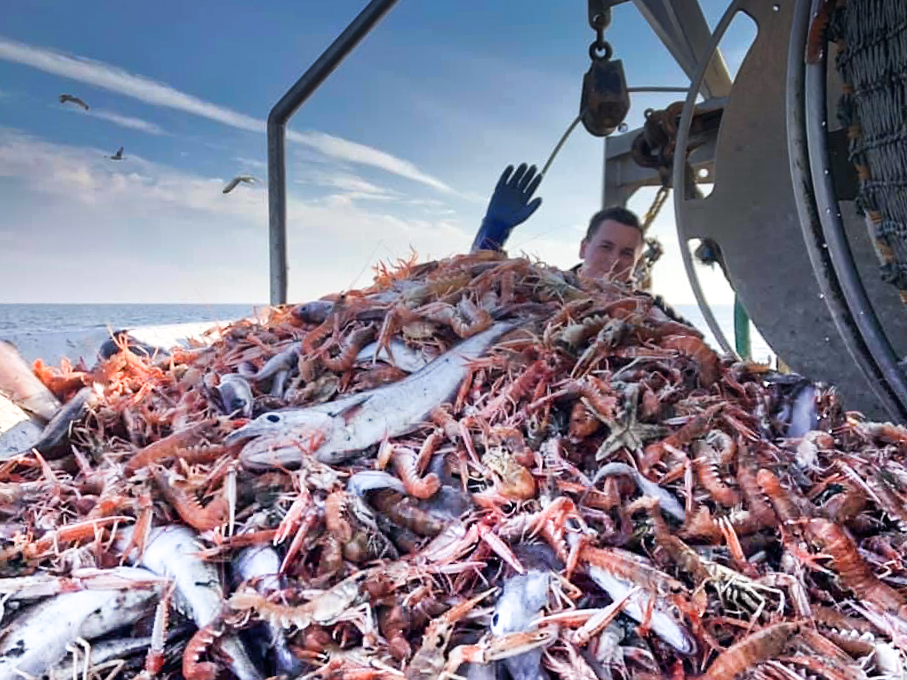
Not only have fishermen been stoically going about their business during the pandemic, putting themselves in danger doing their bit to keep the country fed as part of the forgotten front liners (#FFL) but, in many cases, they have also been demonstrating incredible resilience and ingenuity.
Numerous initiatives such as Fish to Your Door, Call for Fish and Pesky’s Fishmen’s Market, to name just a few, have successfully connected UK consumers with fishermen and fresh local fish. A fleet of chilled delivery vans has appeared on our roads. A new domestic market has opened up overnight. Fish that would normally go to auction and into food service is now appearing on the doorstep. This kind of entrepreneurial behaviour is fantastic and I dearly hope that this is only the beginning. A new England Skipper recently said that the “last two months has seen 25 years of change” – so true.
What’s been even more inspiring are the numerous selfless acts that members of the fishing industry have carried out to help others. Aside from the fact that they have continued to work throughout the crisis to keep food on our tables, there have been many instances where members of our industry have gone above and beyond to help others.
One example very close to me and Succorfish has been local North Shields skipper Colin Graham who has provided free fish to NHS workers throughout the crisis, at his own expense. These acts are not publicity stunts; they are genuine acts of kindness from good people who want to help others.
This bring me onto the main point of this blog, how can “we” help our fishermen to prosper and continue to bring home the catch in a fair and sustainable manner in the future? By we I mean managers and technology companies such as Succorfish.
In the past few weeks, a PEW Charitable Trust sponsored report on electronic monitoring has been released – https://www.ceaconsulting.com/casestudies/the-pew-charitable-trusts/. The report considers the impact of the Coronavirus and the changes that it will bring – primarily in relation to offshore Tuna fisheries; but relevant to all fisheries.
One of the key challenges tuna fisheries face is the role of onboard observers. In the past two months, the Coronavirus has stopped observers from going to sea and an observer has died at sea under suspicious circumstances. This is forcing fishery managers to look at new ways to evaluate the legitimacy and sustainability of the fishery and the report addresses how Electronic Monitoring may answer the question.
There can be no doubt that UK fisheries will look very different in the future, in terms of management and monitoring. The damage caused by Coronavirus and the question marks that still surround Brexit make that a certainty. But as we move inexorably towards fully documented fisheries and the use of vessel monitoring system’s (VMS), what should we be planning for in 2021?
The PEW report sets out many of the challenges facing the adoption of the technologies alongside their strengths and weaknesses. As a starting point, this is as good as any other. There are a few points in particular that caught my eye and show lessons are being learned from other projects. In particular, the report addresses what is appropriate monitoring, a question that is all too often overlooked. It also acknowledges that there needs to be a level of engagement with the fishing industry in order to address how electronic monitoring can deliver value back to the fishermen.
The UK Government and of course Governments around the world must act quickly and turn what is a dreadful situation, created by Coronavirus, into an opportunity to bring lasting and meaningful change to fisheries monitoring and management. The past two months have shown that the industry is resilient and capable of adapting to change when it absolutely must. Let us build on the lessons of the past, implement a joined-up approach to address all the issues at once and set fisheries on a road to biological, economic and social sustainability.
At Succorfish we have always striven to find cost effective and fit-for-purpose solutions that make the users’ lives easier. We were the first company to bring a low-cost vessel monitoring system (VMS) product to market and since 2009 we have been developing our Fit and Forget technology – designed to work away in the background but give the user useful information when called upon.
Another first for Succorfish was the Catch App – an intuitive tool for fishermen to digitally record catch data. Since 2015, the idea has been carried forward by many others including the MMO and DEFRA. These organisations are now rolling out a government developed system to the inshore fishing fleet in England and Wales. It has not been a smooth roll out and if the MMO had to of taken up our offer in 2016 I’m confident we could have saved them £1.8 million and a lot of grief!
 There can be no doubt that digital data has an important role to play in the future of the fishing industry. The recent push for local marketing illustrates this. The big question is: how do we gather this data so as to minimise (or make it zero) the impact of the fishermen?
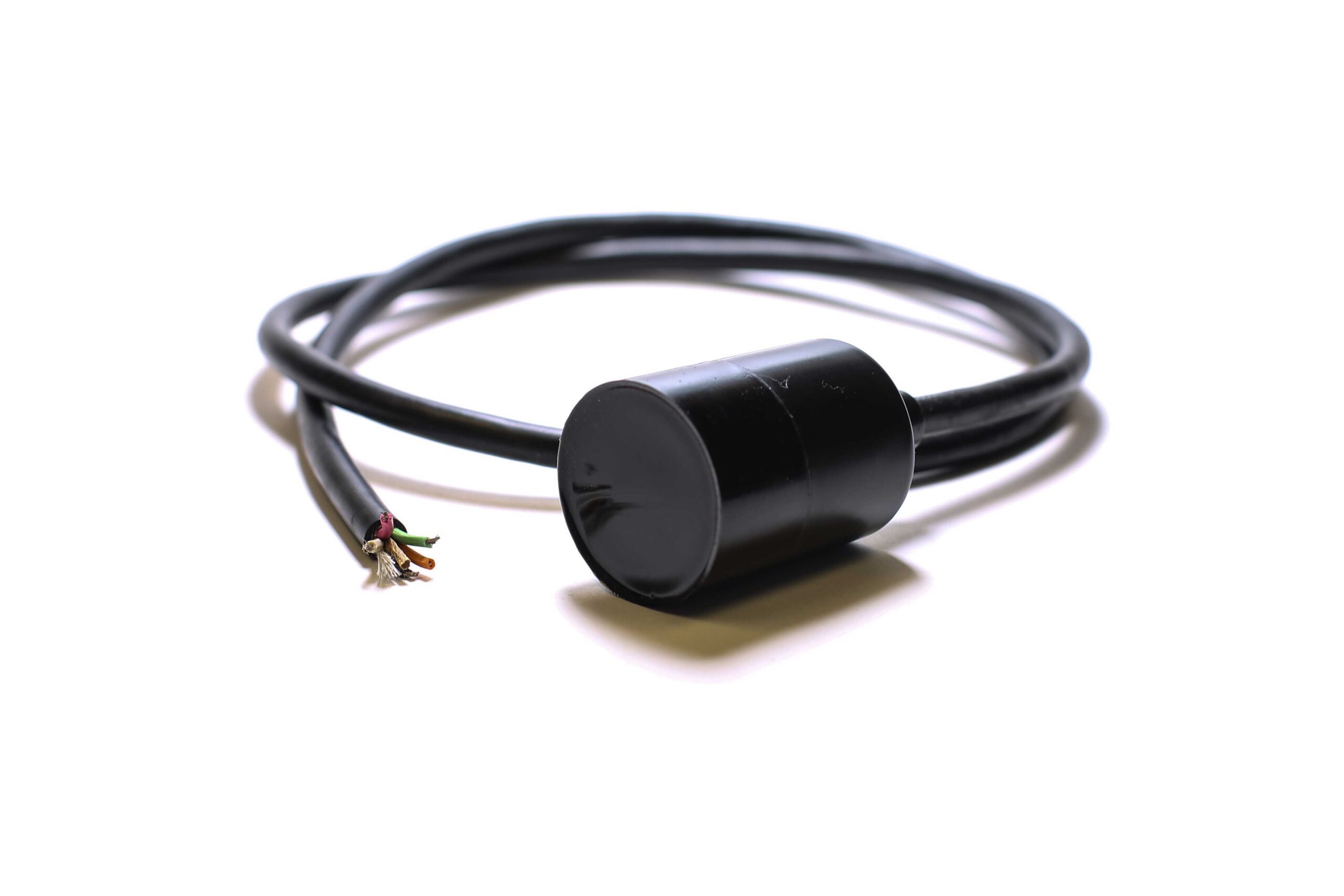
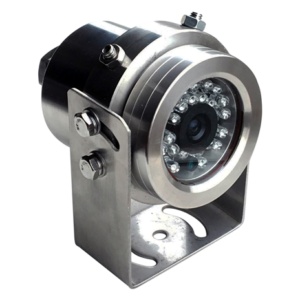
Today Succorfish are working on a solution to automatically collect catch and effort data using a fully integrated camera designed to capture activity on a vessel. No video footage will be transmitted, the system will only send catch data by species and fishing effort (numbers) – avoiding any breach of personal privacy. The solution will involve the addition of 1 waterproof camera, which will connect with our SC2 VMS unit, and the data will be automatically send to the Succorfish database from where it can be easily and securely shared as required.
We believe that this approach will address many of the hurdles facing fishermen around the country. In addition, the fishermen will have full access to their data and the camera can also be used as an onboard security tool, which the fishermen will have full control over.
On small-scale vessels where the fishing process is condensed into a small area, it is possible to view the whole process from a single point. In terms of technology readiness, a good rule of thumb is to assume that if a person can see and count the onboard activity from a particular angle, then it is possible for artificial Intelligence (AI) camera systems to do likewise. We are very excited to see what the next 6 months bring.
If you would like to find out more about the functionality and potential of our electronic vessel monitoring system, contact me enquiries@succorfish.com and I’d be happy to chat about how this new technology might help you