1 Liddell St, North Shields, NE30 1HE
Succorfish is joining forces with two of Newcastle University’s senior AI researchers to transform how the world’s fisheries are monitored, thanks to £226,370 of Innovate UK funding through a Knowledge Transfer Partnership (KTP) with Newcastle University. It’s a major opportunity to combine our marine technology with world-class research in artificial intelligence and computer vision to make fisheries monitoring highly accurate, transparent and more automated.
We are one of three North East businesses to secure KTP funding with Newcastle University in this round. Blu Sky, an accountancy firm we have known for many years, will use AI to take on routine compliance work, making time for higher-value strategic insight. The third business, Origin Tech, is developing predictive tools to improve the trenchless repair of underground water pipes.
Accurate, verifiable data is the foundation of sustainable fisheries management, yet much of it is still gathered and checked by hand. In many fisheries, catches are logged manually, compliance checks are labour intensive, and hours of onboard footage still depend on painstaking manual review.
Many governments are introducing increased fisheries regulation. In Scotland, remote electronic monitoring (REM) has been mandatory for scallop dredgers since 17 June 2024. And since 7 March 2026 it has also applied to pelagic boats of 12 metres+ with chilled or freezer storage. In England, Defra is introducing REM across five priority fisheries. In the EU, by 2028 the revised Fisheries Control Regulation will require REM, including CCTV on vessels of 18 metres+ that pose a high risk of non-compliance. New Zealand has fitted cameras across its inshore fleet in what its seafood industry describes as the largest commercial fisheries camera programme in the world.
Cameras and sensors are only half the story. As a UK Government blog wrote after England’s first REM trial: “fitting cameras is the easy bit”. The real challenge lies in turning large volumes of video, sensor and positional data into reliable and accurate decision making. A task that manual review cannot scale to meet. This is where AI and computer vision can deliver a step change, bringing benefits for a range of stakeholders:
The project brings together the Succorfish team and two of Newcastle University’s leading researchers in artificial intelligence and image analysis.
Dr Deepayan Bhowmik, Co-Director of the University’s Centre of Research Excellence in Data Science and AI, is a specialist in computer vision and Edge AI, the design of intelligent vision systems that run on embedded hardware. His research spans satellite monitoring of environmental change through to international standards for trusted digital media.
Professor Boguslaw Obara is Professor of Image Informatics and leads one of the University’s largest AI research groups, turning complex visual data into reliable, decision-ready insight. As Dean of Business, Partnerships and Place, he also leads Newcastle University’s partnerships with industry.
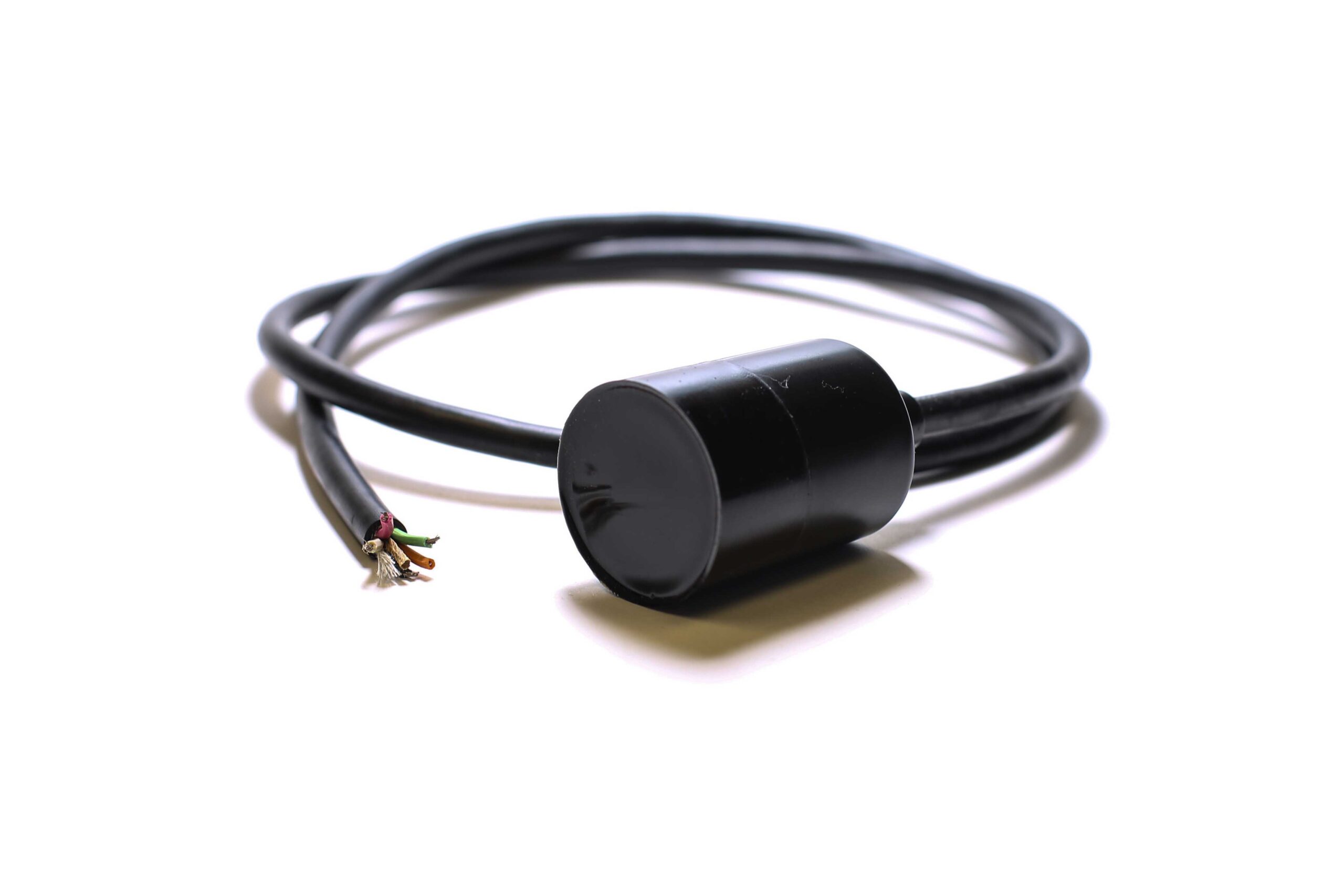
Together with our Succorfish team, they will apply advanced AI and computer vision to the multi-source data captured by our connected fisheries technology. Technology that includes vessel monitoring, GIGO gear tracking beacons, Lampris depth and temperature sensors, the Delphis acoustic modem and remote electronic monitoring, all connected through the SC2 intelligent edge gateway and the Succorfish Data Platform.
This KTP is the latest chapter in a range of partnerships that have been delivering innovation in the field of subsea communication technology.
Succorfish has worked closely with Professor Jeff Neasham and the SEA Lab team in Newcastle University’s School of Electrical and Electronic Engineering, turning pioneering research in underwater acoustics into technology that is at work at sea today. Our Delphis acoustic modem builds on the University’s research in underwater acoustic communication, translating it into a commercial product. Today, Delphis supports research organisations around the world in oceanography, marine biology and subsea engineering.
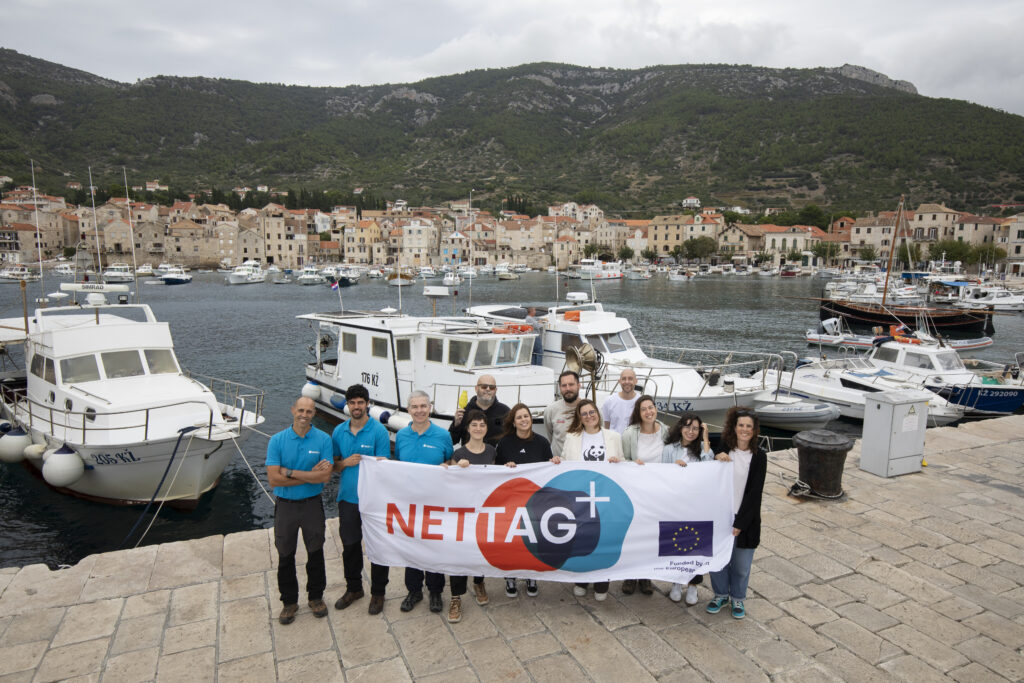
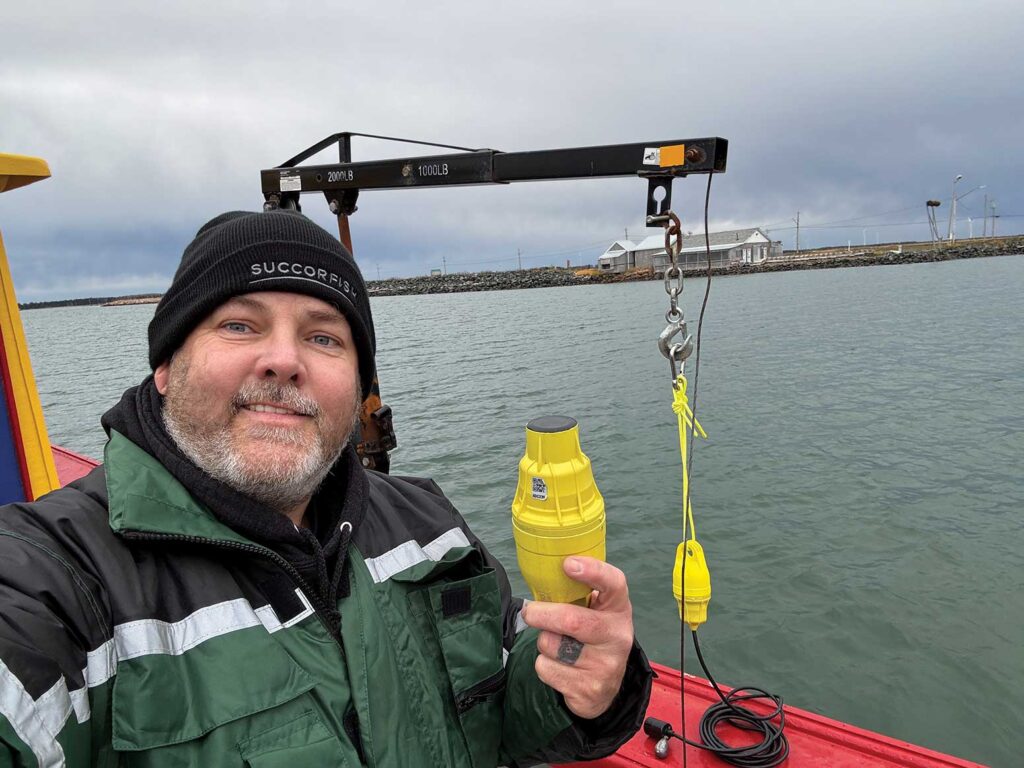
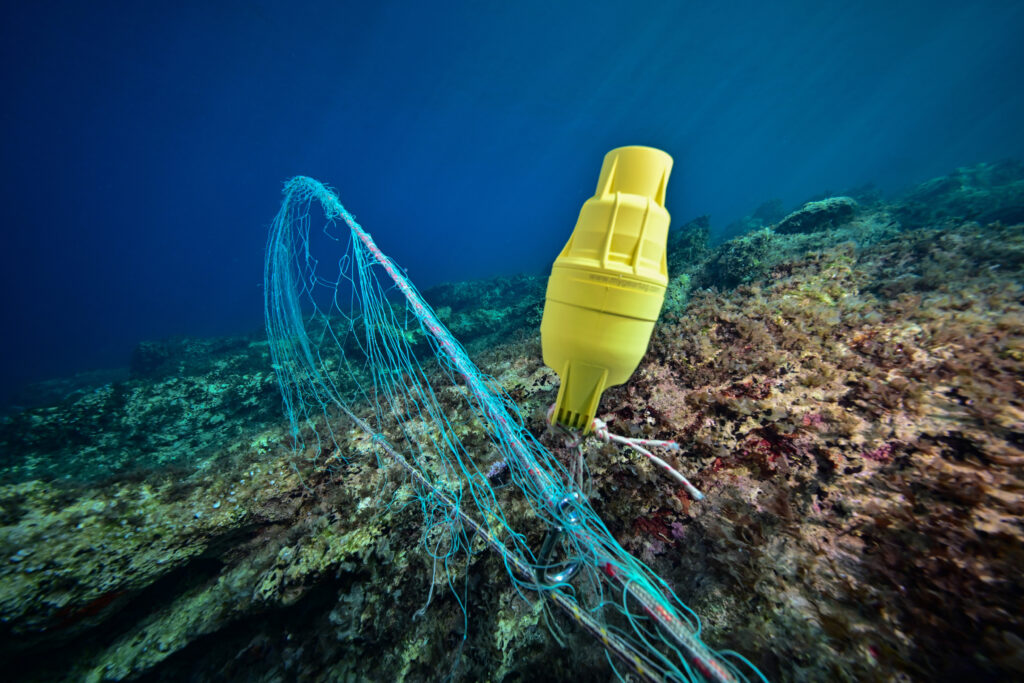
Through the EU Horizon Europe NETTAG+ project, Succorfish and Newcastle University built on Delphis to create MyGearTag. MyGearTag is an acoustic tag that helps fishers find and recover lost nets, pots and traps, which are amongst the most damaging sources of marine pollution. MyGearTag has been put through its paces in the North Sea, the Arabian Sea and the Adriatic, including trials aboard the University’s research vessel, the RV Princess Royal.
In June 2026, Succorfish donated £10,000 of MyGearTag equipment to Clean Planet UK, a Middlesbrough-based charity whose volunteer divers recover ghost gear along the North East coast between Seaham and Skinningrove.
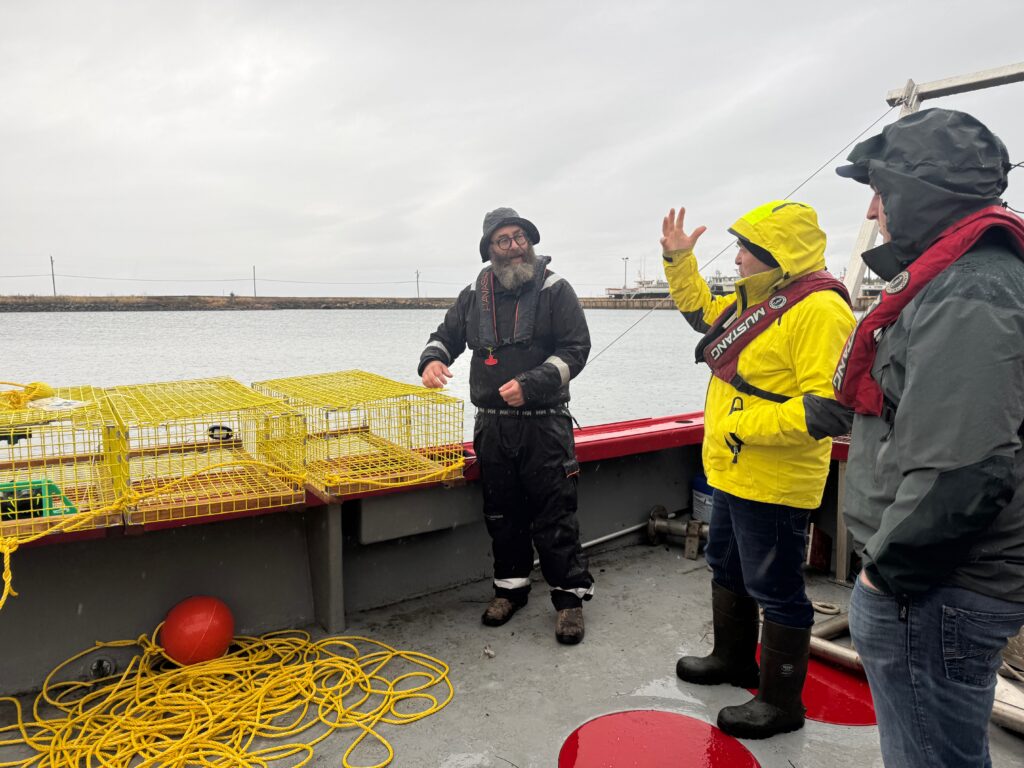
Succorfish technology is already trusted by fishers across the globe from the Barents Sea to the coast of southern Australia. Fisheries, fleets and regulators rely on Succorfish hardware and our data platform to deliver reliable data in some of the most demanding conditions on the planet. The three deployments below offer a snapshot of that work:
These deployments already produce position, gear and sensor data from working fleets every day. The KTP will develop AI that can interpret that data automatically.
This KTP with Newcastle University to bring AI and computer vision to fisheries monitoring is at an early stage, and we look forward to sharing developments as the project unfolds. In the meantime, discover more about our remote electronic monitoring and vessel monitoring solutions, or get in touch with our team to discuss our subsea communication technology.
Our team are here to help